

Let’s be honest. Choosing an academic path can feel like standing in the middle of a busy train station, with everyone pointing in different directions. Students feel the pressure. Parents feel the fear of making the “wrong” call. And the school system ? It doesn’t always help. I’ve seen 14-year-olds asked to “decide their future” at 8:30 a.m. under harsh classroom lights, half-asleep, with a guidance sheet that looks like a tax form. Not ideal.
If you’re here because you typed something like “how to choose orientation without regretting it” or “best way to pick a school track”, you’re in the right place. We’re going practical. No speeches. A method you can actually use tonight at the kitchen table.
The good news ? You don’t need a perfect plan. You need a **clear process**.
Step 0: stop chasing the “perfect” choice (it doesn’t exist)
 I’ll say it straight : there’s no flawless orientation. People change. Interests shift. Confidence goes up and down. That’s normal, and honestly, it’s healthy.
What matters is not choosing “the best” option on paper, but the most **coherent** one *right now*. The one that fits who the student is today : strengths, limits, energy, curiosity, and even their tolerance for stress. Not the neighbor’s kid. Not the cousin who “did medicine”. Today.
And if you’re feeling stuck and want an outside framework (sometimes it really helps to calm the noise), you can also check [https://jonctioneducation.com](https://jonctioneducation.com) for structured guidance and practical orientation resources.
Step 1: take a reality snapshot (not a dream)
This step is simple, but it works because it forces honesty.
Take 20 minutes. No phone. No multitasking. And write down, clearly :
* What subjects go well ? Not “I like it”, but “I can do it without suffering every minute.”
* Where is it painful ? Math ? Writing ? Speaking ? Concentration ?
* How does the student work ? Slow and steady ? Last-minute adrenaline ? Needs reminders ? Totally independent ?
I once met a student who loved biology… but hated memorizing lists. Guess what ? That mattered more than “loving biology”. Orientation isn’t just about interest. It’s about daily reality on a grey Tuesday afternoon.
Step 2: separate interests from learning formats
This is where lots of people get tricked.
Students say : “I like history.” Cool. But what does that mean ?
* University lectures with 250 people ?
* Reading 60 pages a week ?
* Writing essays ?
* Oral presentations ?
Same interest, totally different experience.
So ask :
* Do I prefer theory or practice ?
* Short studies or long studies ?
* Small group supervision or lots of independence ?
* Continuous assessment or big final exams ?
This is the part that surprises people. Format can make a “great” subject feel awful… or a “meh” subject feel totally doable.
Step 3: don’t use grades as your only compass
 Grades are information. Not a judgement of your value. And not a prediction of your whole life.
Yes, grades open doors. I’m not pretending they don’t. But they don’t measure everything : motivation, resilience, curiosity, social confidence, organization… those are massive.
Parents, I’m going to be frank : pushing a student into a “prestigious” track they hate often backfires. Quietly at first (stress, excuses, headaches). Then suddenly (drop in results, burnout, refusal). And everyone ends up thinking “why did this happen ?” Well… it happens.
Use grades, but also look at :
* effort vs result
* progress over time
* stress level
* ability to recover after failure
Step 4: explore in real life, not in brochures
Brochures are polished. Reality is messy. And reality is what matters.
Try at least one of these :
* open days (walk the campus, sit in a room, feel the atmosphere)
* talking to current students (not just staff)
* short job-shadowing if possible
* watching a real lesson or workshop session when schools allow it
I remember a student who thought he wanted engineering. After one afternoon in a lab, he said : “It’s too quiet. I’d go crazy.” That tiny detail changed everything. And it was a good change.
For parents : your job is guide, not GPS
This is delicate. Parents want to protect. Totally normal. But orientation isn’t about controlling every turn. It’s about helping the student learn how to choose.
What helps :
* ask questions instead of giving orders
* share worries calmly (not with panic)
* let the student speak first
* accept a bit of uncertainty (yes, it’s uncomfortable)
And yes, you might disagree. That’s fine. Just don’t turn it into a war. You want dialogue, not silence.
Step 5: choose an option that stays reversible if you’re unsure
Here’s a practical rule I like : if the student is still unsure, pick the path that keeps the most doors open.
Why ? Because changing direction later is common. And it’s not a tragedy.
Switching is not “failure”. It’s feedback. It’s learning. Plenty of people adjust after one year. Sometimes two. The goal isn’t to never change. The goal is to not get stuck in a dead end while still figuring things out.
So before deciding, ask :
* If I change my mind, what are my options ?
* Can I bridge into another program ?
* Are there equivalences or alternative routes ?
Quick method recap (the kitchen-table version)
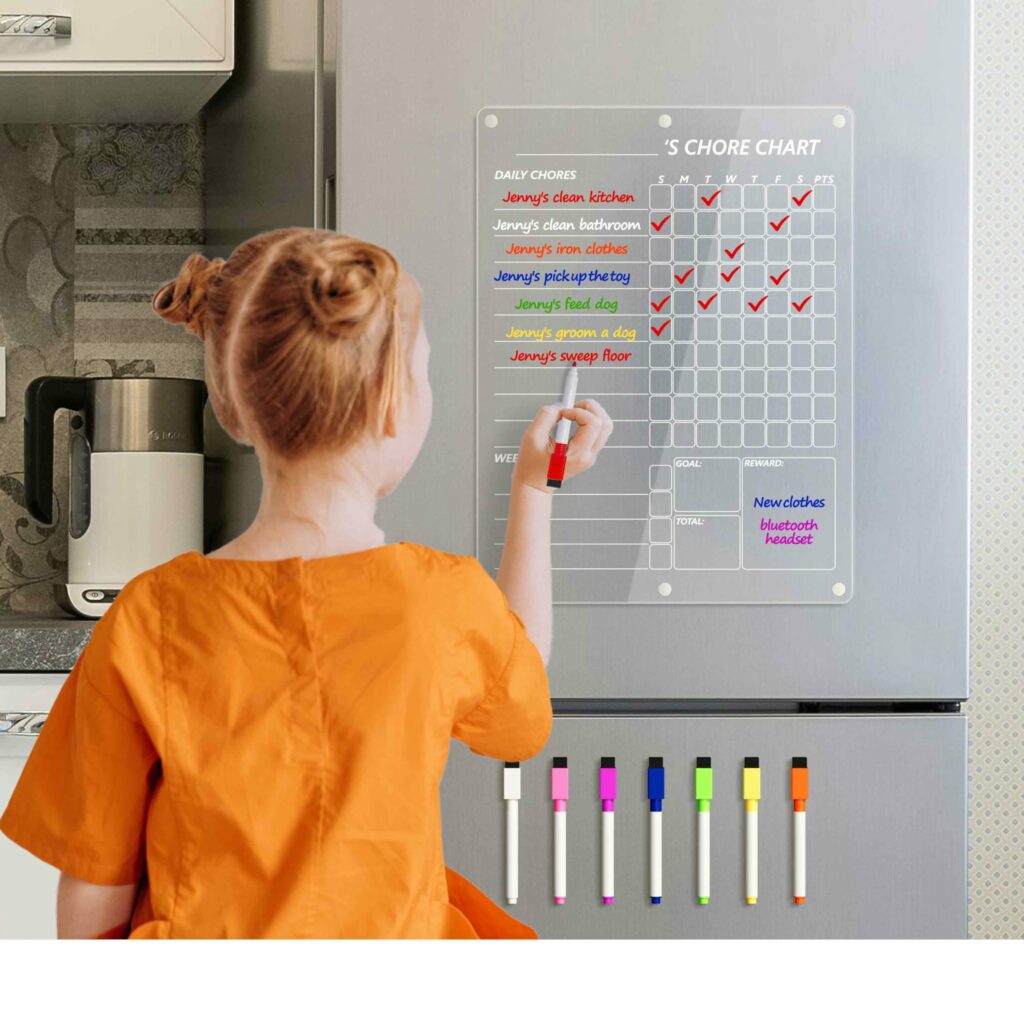 If you want something ultra simple :
1. Write strengths + struggles (realistic snapshot)
2. Clarify preferred learning format (theory/practice, autonomy/support)
3. Look beyond grades (effort, stress, progress)
4. Explore in the real world (open days, students, shadowing)
5. If unsure, choose the most reversible path
That’s it. Not magical, but effective.
How do you avoid “getting it wrong”?
You don’t aim for certainty. You aim for coherence.
A choice aligned with :
* current abilities
* working style
* realistic constraints
* genuine interests (not fantasies)
Do that, and even if the path bends later, you’ll know it wasn’t random. It was thoughtful. Grounded. Human.
And honestly ? That’s already a solid win.