

Studying abroad right after high school sounds glamorous. New city. New language. New version of you. And honestly ? It can be incredible. But between the dream and the plane ticket, there’s a very real maze of paperwork, costs, deadlines, and a few classic mistakes that can hurt. Badly. So let’s talk about it, for real, without the brochure fluff.
Every year, I talk to students who thought “I’ll just apply and see what happens.” Spoiler : it rarely works like that. You need solid info, reliable sources, and a bit of street-smarts. I often point people to resources like https://openmediaeducation.net because having an external, neutral overview helps you avoid tunnel vision. Especially when emotions start running the show.
First things first : what does “studying abroad after high school” really mean ?
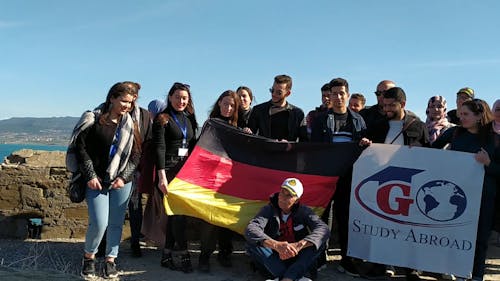 We’re not talking about a two-week language trip with a host family and awkward dinners. This is long-term. A full degree, a foundation year, or at least a serious academic program. You leave home. You register with a foreign institution. You deal with visas, rent, bank accounts. Adult stuff. Ready ?
Some students go straight into a university program. Others choose a preparatory year, especially if the education system is different. In Spain or the UK, for example, that transition year can be a lifesaver. I’ve seen students arrive confident and then panic in the first lecture. New academic codes hit hard.
The key steps (and where people mess up)
Step one : choosing the country.
Sounds obvious, but people often pick based on Instagram vibes. Big mistake. Think language level, cost of living, recognition of diplomas, climate (yes, really). Grey winters hit harder when you’re homesick.
Step two : applications.
This part is tedious. Transcripts, translations, recommendation letters, motivation letters. Deadlines are strict. Miss one by a week and that’s it. No drama, just a silent “no.” I’ve seen it happen. Brutal.
Step three : visa and legal stuff.
This is where stress peaks. Appointments at embassies at 7 a.m., stacks of documents, proof of funds. And no, “my parents will help” isn’t enough. Authorities want numbers. Bank statements. Real ones.
Let’s talk money (because yes, it matters)
Studying abroad is an investment. Tuition can range from a few thousand euros per year in some European countries to £15,000+ elsewhere. And that’s just tuition.
Add rent (anywhere from €400 to €900 a month depending on the city), food, transport, health insurance, books, random life expenses. Madrid and Barcelona feel very different from smaller cities. Same in the UK between London and, say, Leeds. I find people underestimate daily costs. Coffee adds up. So do late-night snacks.
Scholarships exist. But they’re competitive. Don’t build your whole plan assuming you’ll get one. That’s risky.
The most common mistakes (learn from others, please)
Overestimating language skills.
Watching series is not the same as writing academic essays. Trust me.
Ignoring housing until the last minute.
This one hurts. End up overpaying or living way too far from campus. Commuting an hour daily gets old fast.
Not checking diploma recognition.
Very important. A degree that doesn’t translate back home can limit options later. It’s not dramatic, but it’s annoying.
Thinking “I’ll figure it out there.”
Some things, yes. Others, no. Visas and enrollment are not improv-friendly.
Is it worth it ?
 Honestly ? Often yes. You grow fast. You learn to navigate uncertainty. You gain confidence that sticks. But only if it’s prepared properly.
So ask yourself : why do I want to go ? What do I expect ? And am I ready to handle the boring parts too ? If the answer is mostly yes, then you’re on the right track.
And if you’re hesitating, that’s normal. Almost everyone does. The goal isn’t zero fear. It’s informed decisions.
Take your time. Plan smart. And don’t let the dream turn into chaos just because you skipped the details.